The Psychology of Comfort Reading
I have a TBR pile that is currently judging me from the corner of the room. It’s full of brilliant debuts, complex histories, and books I swore I would read this year.
And yet, last night, I ignored all of them.
Instead, I pulled a battered paperback off the shelf —one with a cracked spine and coffee stains on page 43— and started reading it for the tenth time.
Why do we do this? Why, when the world is full of new information, do we stubbornly return to the same stories?
For a long time, I thought I was just being lazy. But after falling down a research rabbit hole, I realized something else: It’s not laziness. It’s emotional regulation. The psychology of comfort reading explains why your brain isn’t trying to waste time; it’s just trying to catch a break.
The Neuroscience of Familiarity
To understand why we retreat to familiar books, we have to look at how the brain processes new information.
When you open a new book, your brain is working hard. You are tracking new names, figuring out the magic system, and constantly analyzing threats (Will the dog die? Is the love interest actually the villain?).
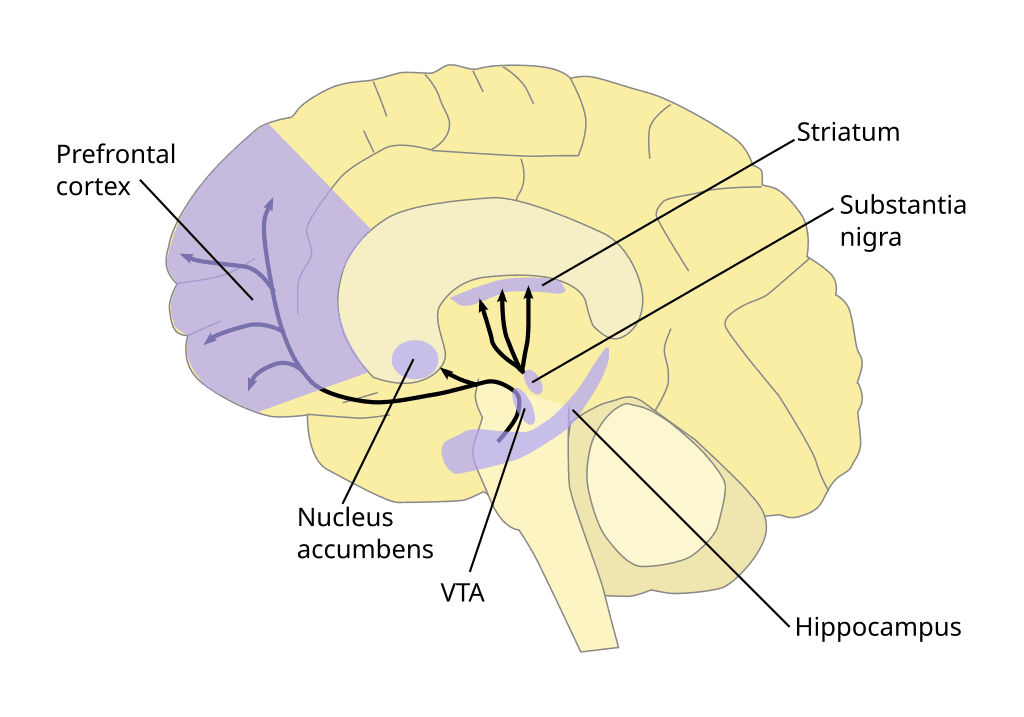
This is called “Predictive Processing,” and it uses a lot of mental energy. Your amygdala—the part of your brain that handles anxiety—is on alert because, biologically speaking, the “unknown” is stressful.
Why Predictability Feels Good
This is where comfort reading shines. When you pick up a favorite book, you eliminate the stress of the unknown.
You know the dog survives. You know they get the happy ending.
Because that background anxiety is gone, your brain shifts gears. It stops trying to predict the future and starts releasing dopamine—the “reward” chemical—before the good parts even happen. You get all the emotional payoff of the climax without the stress of the suspense.
In a chaotic world, rereading is a way to reclaim a little control. It’s a safe space where you know exactly how the timeline ends.
Decision Fatigue (Or: Why I Can’t Pick a New Book)
Have you ever stared at your bookshelf for twenty minutes, felt completely overwhelmed by options, and then just walked away?
That is Decision Fatigue.
We make thousands of choices every day. By 8:00 PM, your decision-making battery is totally drained. Asking your brain to choose between a dense Sci-Fi epic and a historical biography is sometimes just too much work.
Rereading is the “default path.” It’s the mental equivalent of ordering your usual coffee order. You aren’t looking for a surprise; you’re looking for a guaranteed good time.
The “Stubborn Reader” Advantage
There is also a hidden benefit to rereading that I love: Appreciation.
The first time you read a book, you’re just trying to keep up with the plot. But the second (or tenth) time? You can actually appreciate the craft.
As a completionist, this is where I thrive. I want to see:
- The foreshadowing I missed in Chapter 3.
- The specific word choices the author used.
- The subtle character arcs that only make sense in retrospect.
Comfort reading isn’t passive; it’s an archaeological dig. You are unearthing layers that “one-time readers” will never see.
Bibliotherapy: The Science of Stress Relief
There is actually a name for using books to heal: Bibliotherapy.
Research implies that reading can reduce stress levels by up to 68%—making it more effective than listening to music or taking a walk.
But here is my theory: Comfort Reading pushes that number even higher. It creates a “super-dose” of relaxation because it removes the risk of a bad ending. It allows us to borrow the resilience of our favorite characters and use it to patch up our own bad days.
Final Thoughts
We live in a culture that obsesses over numbers. We track “Books Read” on Goodreads like it’s a competitive sport, which creates this weird pressure to always consume new things.
I am officially opting out of that pressure.
If you want to read that same fantasy novel again because it makes your brain quiet down, do it. It is not a waste of time. It is emotional maintenance.
So, I’m curious—what is your ultimate comfort book? What is the one story you know so well you could practically recite it? Drop the title in the comments (no judgment, I promise).