
How to Start a Reading Journal in 2026: A Step-by-Step Guide for Beginners
Have you ever finished a book, absolutely loved it, and then realized three months later that you can’t remember the main character’s name? Or maybe you set a goal to read more this year, but by March, you’ve lost count of how many books you’ve actually finished.
We consume so many stories, yet we retain surprisingly little of them.
This is where a reading journal changes the game. It isn’t just about making a list; it’s about mindfulness, retention, and creating a personalized archive of your reading life. Whether you are a “one book a month” reader or aiming for 100 books in 2026, a journal helps you pause and appreciate what you’ve read.
If you’ve been wanting to start a reading log but feel intimidated by the artistic spreads you see on social media, don’t worry. This guide will walk you through exactly how to start a reading journal, what to track, and the easiest tools to get started today.
Why You Should Keep a Reading Journal
Before we dive into the how, let’s look at why this habit is worth your time.
- Better Retention: Writing down a brief summary or review forces your brain to process the story, making it much harder to forget the details later.
- Track Your Habits: Do you only read thrillers in October? Do you read faster in the summer? A journal reveals your reading DNA.
- The “Trophy Case” Effect: There is a unique satisfaction in seeing a physical list of books you’ve conquered over the year. It’s a great motivator to keep going.
Choosing Your Format: Notebooks vs. Templates
The biggest hurdle for beginners is deciding where to write. Generally, there are three options:
- The Blank Notebook (Bullet Journal): This offers total creative freedom. However, if you aren’t an artist, drawing out calendars and rating boxes for every single book can become a chore that leads to burnout.
- Tracking Apps: Convenient, but they lack the tactile experience. Plus, you don’t really “own” your data on a third-party app.
- Structured Journals (Printable or Physical): This is the “Goldilocks” option. You get the structure you need (pre-made rating boxes, summary sections) without having to draw everything from scratch.
What to Include in Your Reading Journal
What should you actually write on the page? There are no rules, but a standard book review layout usually includes these essential elements:
- Book Details: Title, Author, Genre, and Published Date.
- Dates: Date started and Date finished (crucial for calculating reading speed!).
- Star Rating: A simple 1-5 star system.
- Format: Did you read the physical book, an eBook, or listen to the audiobook?
- Favorite Quotes and Moments: Space for 1–2 lines that resonated with you.
- Thoughts/Review: A short paragraph on what you liked or didn’t like.
Pro Tip: Don’t pressure yourself to write a professional critique. A simple note like “I loved the ending, but the middle dragged on too long” is perfect.
The Easiest Way to Start: Use a Template
If the idea of measuring out lines with a ruler sounds like a nightmare, I have a solution for you.
I created the Lazy Cat Reading Journal specifically for readers who want an aesthetic, organized journal without the hassle of designing it themselves.
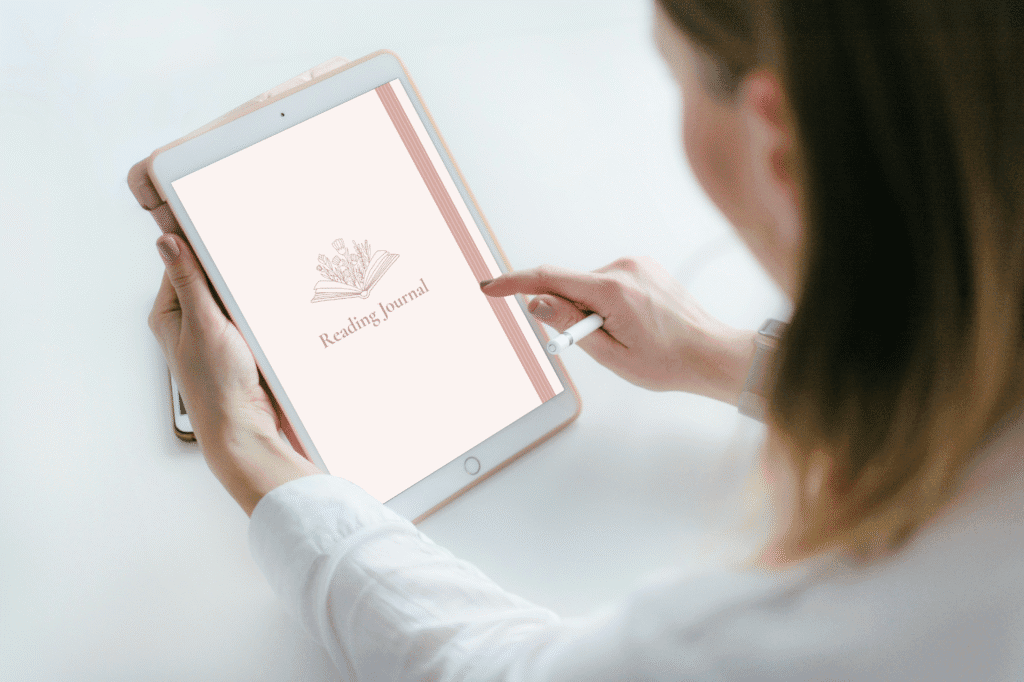
It includes pre-designed pages for your TBR list, daily reading logs, and detailed book review pages. You can simply download it, print it out (or use it digitally on a tablet), and start logging your current read immediately.
And guess what? You can get it for free just by joining the club! Fill out the form below and get it straight to your email.
3 Fun Challenges to Add to Your Journal
Once you have your basic book tracking down, you can spice up your journal with “Challenges.” Here are three popular challenges for 2026:
1. The 10/25/50/100 Book Challenge
You can color each book as you read it. Marking them all down is so satisfying!
2. The 52 Books in 52 Weeks Challenge
Simple: read one book each week and record the cover and title in your journal.
3. The A-Z Book Challenge
Try and complete the alphabet with this one! And no, articles (the, to, a, etc.) don’t count.
All of these are included in the Lazy Cat Reading Journal, so you just have to start.
How to Stay Consistent (And Avoid Slumps)
The excitement of a new journal is great, but consistency is key. Try to update your journal immediately after finishing a book while the details are fresh.
However, if you find yourself staring at your books and feeling unmotivated, you might be in a slump. A journal can actually help you get out of it by encouraging you to pick up shorter, easier reads just to fill a page.
If you are currently struggling to pick up a book, check out my guide on How to Get Out of a Reading Slump. It pairs perfectly with your new journaling habit to get you back on track.
Ready to Start Your Best Reading Year?
Starting a reading journal is one of the best gifts you can give your future self. Years from now, you’ll be able to look back and see exactly what stories shaped your 2026.
Don’t overthink it—just start writing.
Join the club and receive your Lazy Cat Reading Journal for free today!